When to Retest After Mold Remediation in Quincy
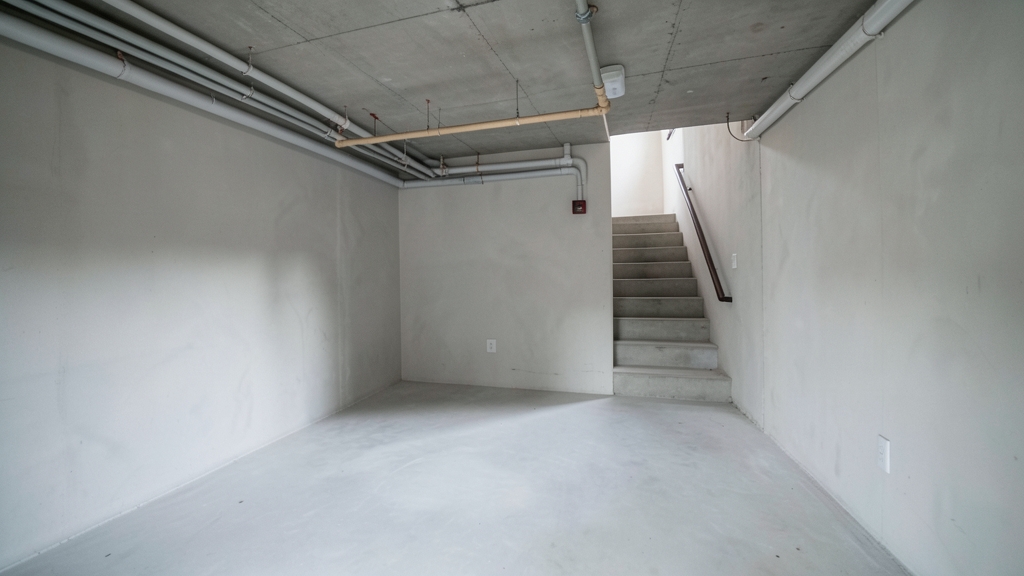
Mold remediation isn’t complete until you confirm the problem is truly resolved. Retesting at the right time ensures spores are gone and your Quincy home stays safe long-term. Our team explains the critical moments to schedule post-remediation verification and what to look for.
Why Retesting After Mold Remediation Is Non-Negotiable
Even a visually clean space can harbor microscopic spores. Retesting verifies that remediation met industry standards, like IICRC S520, and that spore levels are safe for occupancy.
In coastal areas like Quincy, lingering moisture from high humidity or past water intrusion can trigger regrowth. Without verification, you risk recurring infestations and potential health exposure.
Skipping post-remediation testing may leave hidden mold, especially in basements, attics, or crawl spaces. This can worsen allergies, asthma, or other respiratory issues.
The Ideal Timeline for Post-Remediation Testing
Clearance testing should occur after all remediation work is finished but before rebuilding or reoccupying the area. This ensures no cross-contamination or missed pockets of growth.
For most residential projects, we recommend retesting within 24–48 hours of completion. This window captures immediate results while accounting for settling dust and spores.
Clearance Testing vs. Routine Air Quality Checks
Clearance testing is a formal, documented process to confirm remediation success. It compares indoor spore counts to outdoor baselines, following strict protocols.
Routine air quality testing, on the other hand, monitors ongoing conditions—useful in humidity-prone areas like Quincy’s basements or after water damage in Weymouth or Braintree.
| Purpose | Timing | Scope |
|---|---|---|
| Confirms remediation success | Post-remediation (24–48h) | Formal, documented comparison to outdoor spore counts |
| Monitors ongoing indoor air health | Seasonal or post-event (e.g., flooding) | General spore and contaminant levels |
| Identifies hidden moisture issues | Preventative or after repairs | Focused on high-risk zones (attics, crawl spaces) |
Signs You Need to Retest Sooner Than Planned
Musty odors returning within days of remediation are a red flag. This often signals hidden mold in wall cavities, under flooring, or in HVAC systems.
Visible mold reappearance, even in small patches, warrants immediate retesting. In Quincy’s older homes, this could indicate moisture trapped behind plaster or in poorly ventilated attics.
New or worsening health symptoms—like coughing, itchy eyes, or headaches—among occupants may also suggest incomplete remediation.
What Happens During a Post-Remediation Mold Test?
An inspector collects air and surface samples using specialized pumps and swabs. These are analyzed by a lab to quantify spore types and concentrations.
Results are compared to outdoor control samples and industry benchmarks. In Massachusetts, we account for regional humidity and seasonal variations that can skew baseline readings.
You’ll receive a detailed report outlining spore counts, moisture levels, and recommendations for any further action.
Ask for a side-by-side comparison of pre- and post-remediation lab results. This transparency ensures the work met its goals.
Common Pitfalls That Lead to Failed Retests
Incomplete drying is the top cause of failed clearance tests. Even after water damage restoration in Boston or Milton, residual moisture can fuel regrowth within days.
Poor containment during remediation can spread spores to unaffected areas. This is especially risky in multi-unit buildings or homes with shared HVAC systems.
Using non-HEPA vacuums or skipping antimicrobial treatments leaves behind viable spores. Professional-grade equipment and EPA-approved products are essential.
Long-Term Mold Prevention for Quincy Homes
Controlling humidity is critical. Aim for 30–50% indoors, using dehumidifiers in basements and crawl spaces, especially during Quincy’s damp springs and falls.
Regular inspections of attics, basements, and around windows can catch early signs of water intrusion. Address leaks or condensation immediately to prevent recurrence.
Consider professional moisture control systems for chronic issues. These are common in older neighborhoods like Wollaston or Adams Shore, where foundation cracks or poor grading trap moisture.
Mold Prevention Checklist
- Maintain indoor humidity below 50% with dehumidifiers
- Inspect attics and basements bi-annually for leaks or condensation
- Use exhaust fans in bathrooms and kitchens
- Seal foundation cracks and improve grading around the home
- Schedule annual air quality testing for high-risk properties
How to Prepare for Post-Remediation Mold Testing
Proper preparation ensures accurate results and avoids delays in verification.
- 1Complete All Remediation Work
Ensure all mold removal, cleaning, and repairs are finished. No further work should be done in the area until testing is complete.
- 2Avoid Disturbing the Area
Keep occupants and pets out of the remediated space for at least 24 hours before testing to prevent stirring up settled spores.
- 3Turn Off HVAC Systems
Shut down heating or cooling systems for 12–24 hours prior to testing. This prevents spores from circulating and skewing results.
- 4Document the Space
Take photos or notes of the remediated area, including any visible changes or concerns, to share with the inspector.
- 5Provide Access and History
Give the tester access to the entire property and share details about past water damage, remediation methods, and previous test results.
Frequently Asked Questions
How soon can I move back into my Quincy home after mold remediation?
You should wait until clearance testing confirms safe spore levels. Typically, this is 24–48 hours post-remediation, but timelines vary based on the scope of work and drying conditions.
What if my post-remediation test fails?
A failed test means spores or moisture remain. Our team will identify the source—whether it’s incomplete drying, hidden mold, or cross-contamination—and address it before retesting. This is common in complex cases involving crawl spaces or attics.
Is post-remediation testing required by law in Massachusetts?
While not legally mandated for residential properties, post-remediation verification is strongly recommended by the EPA and industry standards. Many Quincy homeowners and commercial clients require it for peace of mind or insurance purposes.
Can I do my own mold testing after remediation?
DIY test kits lack the precision and protocols of professional clearance testing. They often miss hidden mold or fail to account for local conditions, like Quincy’s coastal humidity. For accurate results, hire a trained inspector.
How often should I retest for mold in a previously affected area?
For high-risk or recurrent issues, we recommend retesting every 6–12 months, or after any water event. In stable, remediated spaces, annual air quality checks are sufficient for most Quincy homes.
Does homeowners insurance cover post-remediation testing?
Coverage varies by policy. Some insurers include testing as part of water damage claims, especially in areas like Braintree or Weymouth where flooding is a known risk. Check your policy and request a quote for testing if needed.