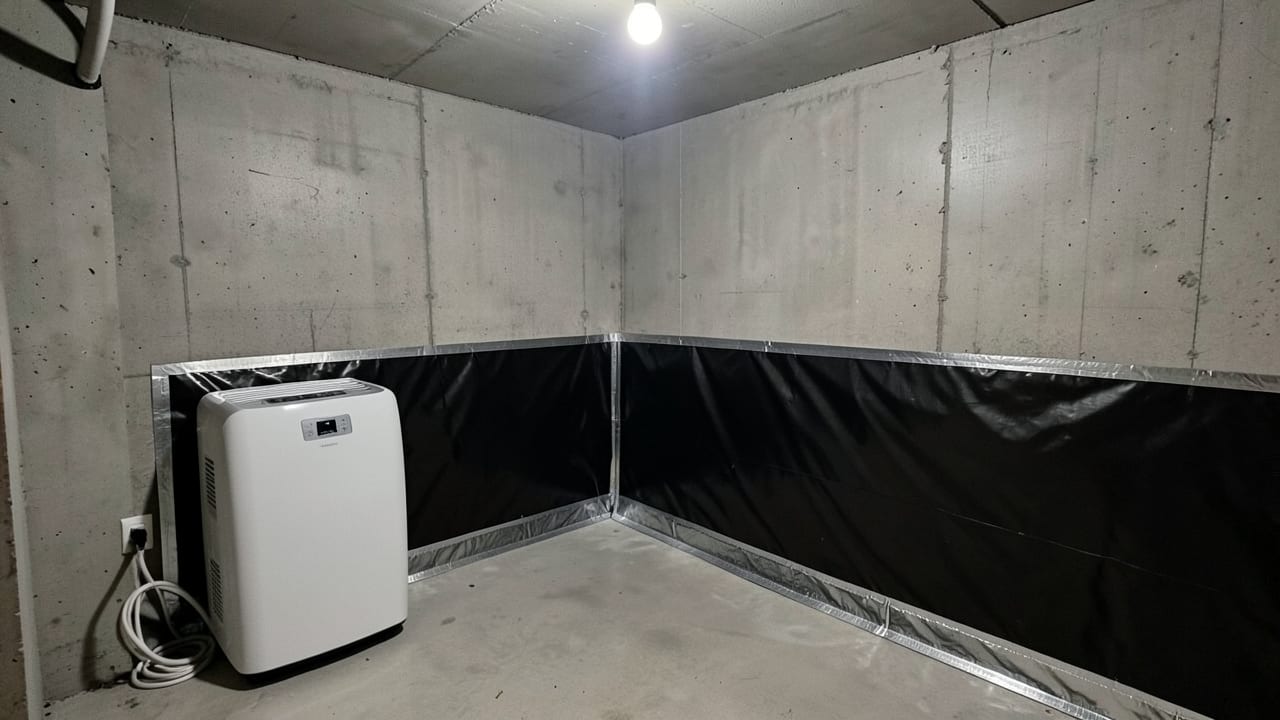
Mold Prevention & Moisture Control
Mold prevention and moisture control in Quincy, MA — addressing ventilation, humidity, and drainage before growth starts, not after.
In Quincy, MA, mold prevention and moisture control stop growth before it starts by addressing excess humidity, poor ventilation, and water intrusion in older homes with damp basements and seasonal climate challenges.
Why Quincy Homes Need Proactive Mold Prevention
Quincy’s humid summers and older housing stock create ideal conditions for mold. Basements and crawl spaces often trap moisture, while attics and bathrooms lack proper ventilation. Without intervention, indoor humidity can exceed 60%, enabling mold growth on dry surfaces over time.
We also handle School Mold Remediation and Gym Mold Remediation for Quincy properties.
Prevention focuses on correcting these conditions—controlling humidity, improving airflow, and redirecting water away from the foundation—before mold takes hold. This approach is more cost-effective than remediation and protects property value.
Key Areas to Address for Moisture Control
Effective prevention starts outside. Grading should slope away from the foundation, and gutters must discharge water at least 5–10 feet from the house to prevent moisture from seeping into basements or crawl spaces.
Critical Moisture Control Checkpoints
- Grade slopes away from foundation (minimum 6 inches over 10 feet)
- Gutters and downspouts extend water discharge ≥5 feet from the house
- Exhaust fans in bathrooms and kitchens vent outdoors (not attics)
- Attic intake and exhaust ventilation meets local code
- Basement or crawl space dehumidifier sized to space (keeps humidity <60%)
What to Expect from a Prevention Assessment
A professional evaluates your home’s moisture sources, ventilation, and humidity levels. They’ll identify gaps in grading, gutter performance, and airflow, then recommend tailored solutions to keep indoor humidity below 60%.
Assessments can be scheduled as a standalone service or bundled with a full mold inspection. Pricing varies based on the improvements your property requires.
| Factor | Impact on Cost/Timing |
|---|---|
| Home size & layout | Larger or multi-level homes may require more extensive grading or ventilation upgrades |
| Existing moisture damage | Pre-existing issues (e.g., water stains) may increase scope of work |
| Dehumidifier needs | Basements/crawl spaces often need dedicated units, adding to upfront costs |
| Seasonal timing | Spring/fall assessments may reveal more moisture issues than winter visits |
How Mold Prevention & Moisture Control Works
A systematic approach ensures long-term protection.
- 1Site Evaluation
A technician inspects grading, gutters, ventilation, and humidity levels to identify moisture sources and risk areas.
- 2Exterior Fixes
Adjust grading and extend downspouts to redirect water away from the foundation, reducing basement/crawl space moisture.
- 3Ventilation Upgrades
Install or repair exhaust fans in bathrooms/kitchens and ensure attic ventilation meets code to remove moist air.
- 4Humidity Control
Deploy a properly sized dehumidifier in high-risk areas (e.g., basements) to maintain humidity below 60%.
- 5Follow-Up Monitoring
Recheck humidity levels and ventilation performance seasonally to ensure long-term effectiveness.
Frequently Asked Questions
How do I know if my Quincy home needs moisture control?
Signs include musty odors, visible mold, peeling paint, condensation on windows, or high humidity readings (above 60%). Older homes with finished basements or attics are especially vulnerable.
Is a dehumidifier enough to prevent mold in my basement?
A dehumidifier helps, but it’s most effective when combined with proper grading, ventilation, and gutter maintenance. Without these, moisture can still enter the space.
Can I vent my bathroom fan into the attic to avoid outside venting?
No. Venting into an attic traps moisture, which can lead to mold growth in the attic and damage insulation. Exhaust fans must vent outside the home.
How often should I schedule a moisture control assessment?
Once every 2–3 years is ideal, or after major weather events (e.g., heavy rain, snowmelt) that may have affected grading or gutter performance.
See Norwood, MA for more, or see our complete Quincy service list by category for our complete lineup.
Ready to get started?
Talk to a local mold remediation pro in Quincy — get a written quote.
Other Mold Remediation Services in Quincy

School Mold Remediation in Quincy, MA
Professional mold removal and remediation in schools to ensure a safe, healthy environment.
Learn More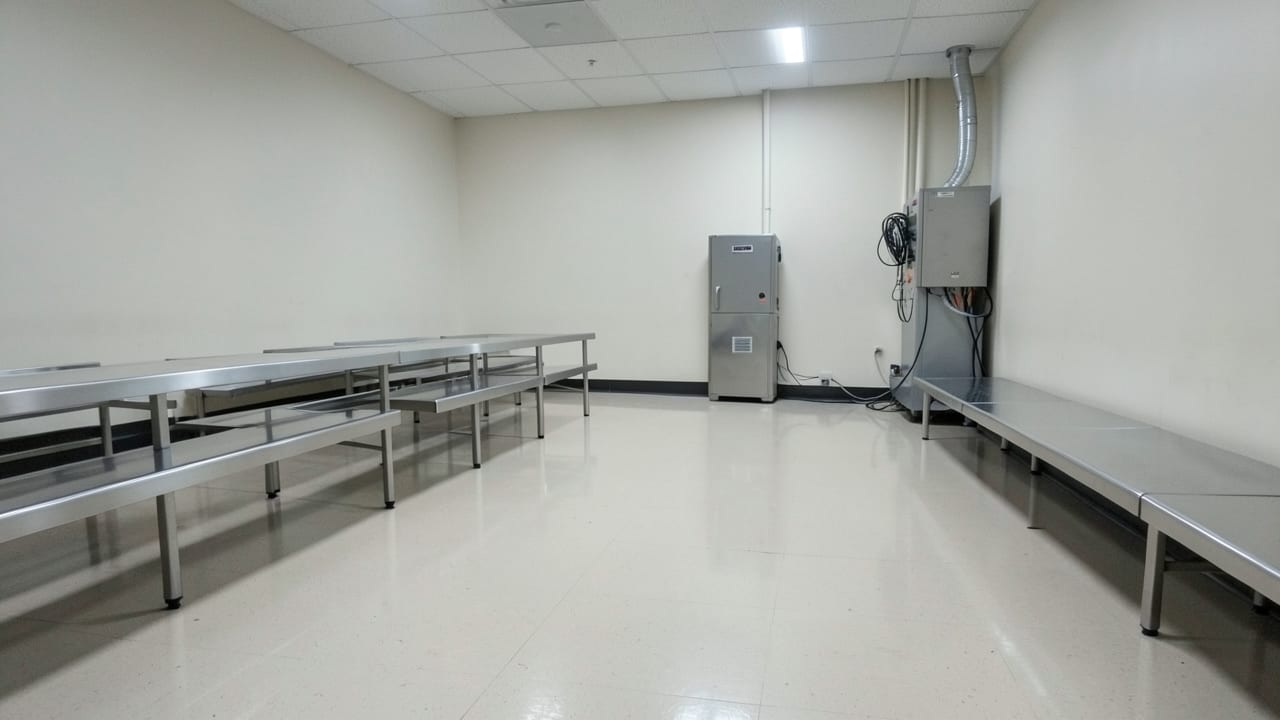
Gym Mold Remediation in Quincy, MA
Professional removal and treatment of mold in gyms to restore safe, clean environments.
Learn More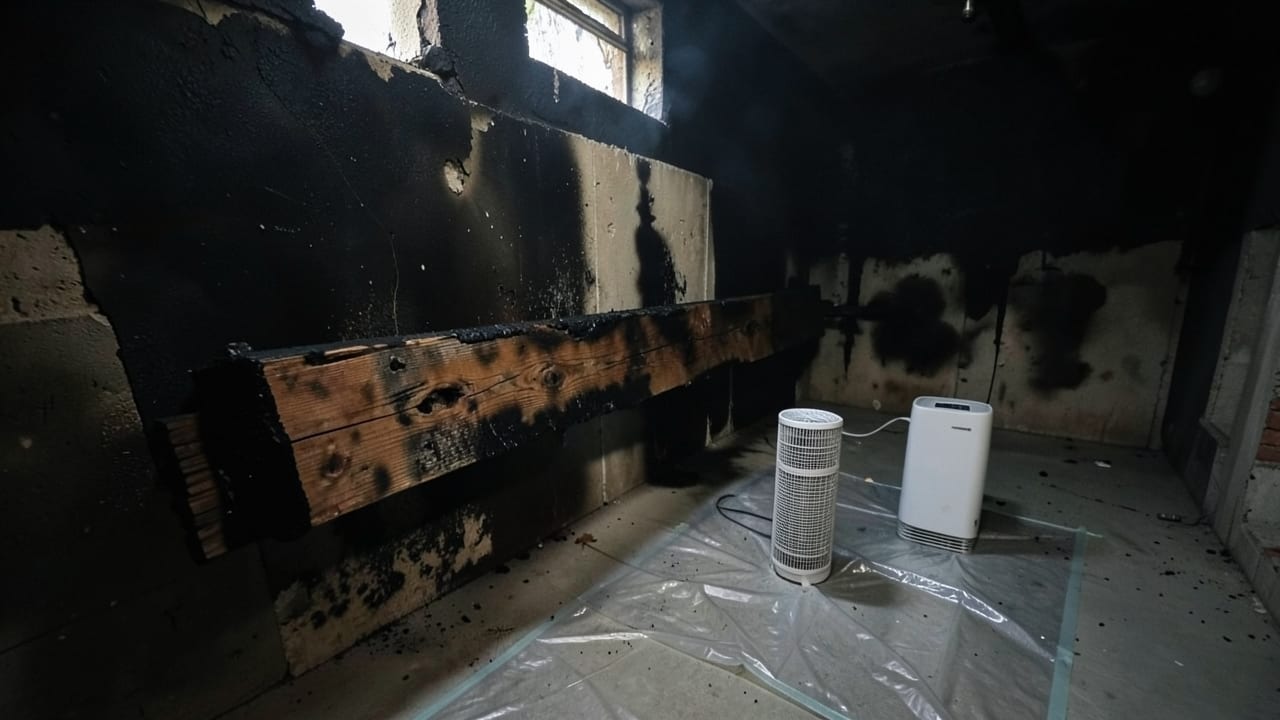
Fire Smoke Mold Remediation in Quincy, MA
Professional cleanup and restoration of fire, smoke, and mold damage in homes.
Learn More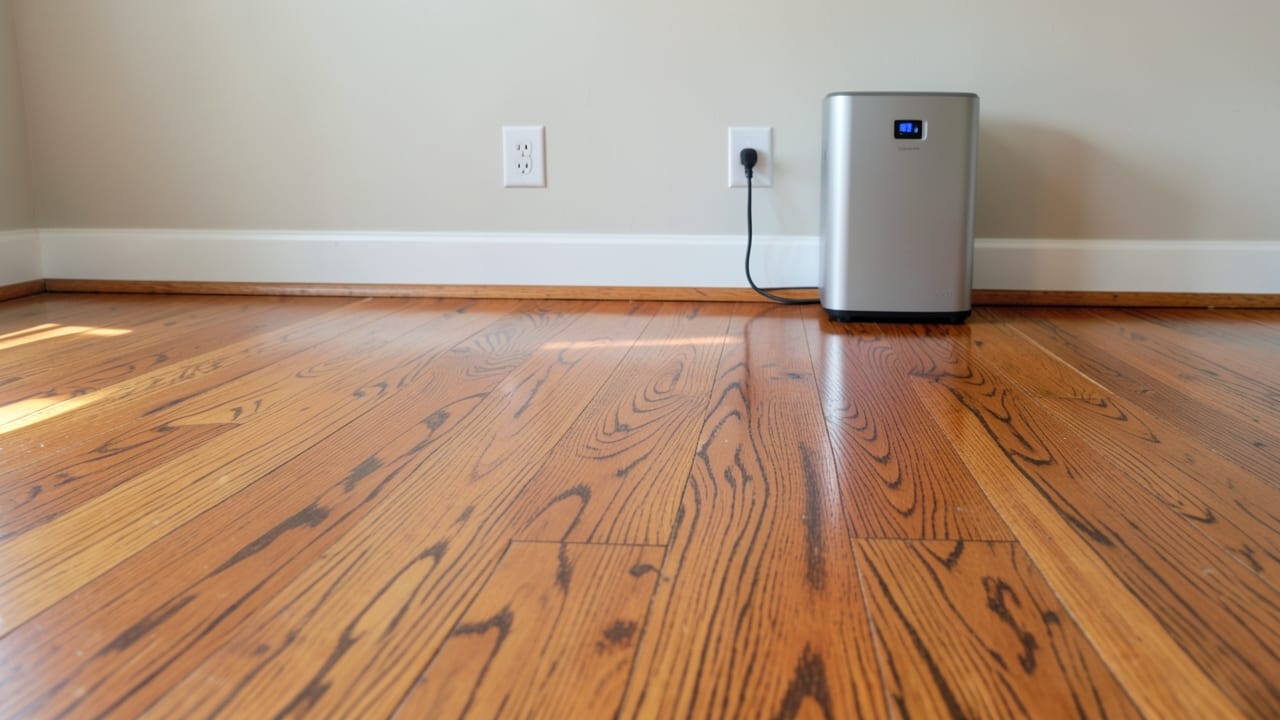
Pet Urine Mold Treatment in Quincy, MA
Professional removal of mold caused by pet urine in homes, including assessment and treatment.
Learn More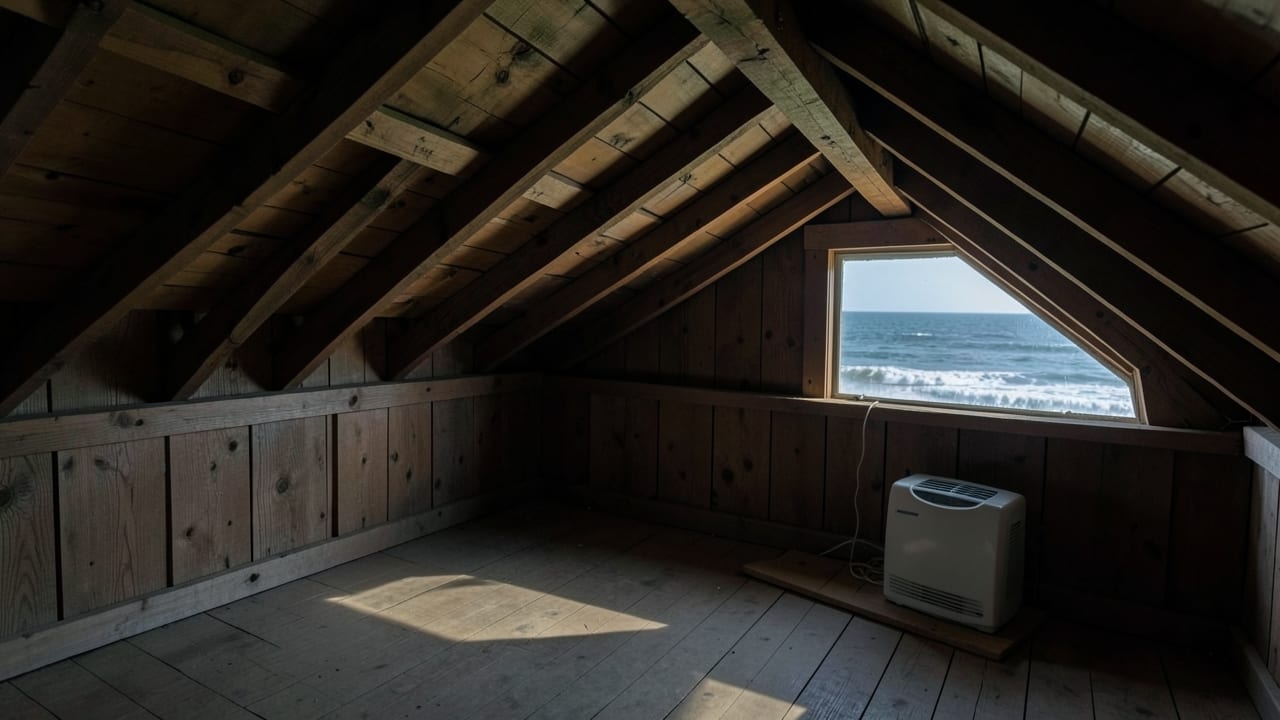
Salt Air Mold Remediation in Quincy, MA
Professional mold assessment, containment, removal, and prevention in affected areas of the home.
Learn More
Pest Infestation Mold Remediation in Quincy, MA
Professional mold removal and remediation for pest-related infestations in homes.
Learn MoreCommon Questions About Mold Remediation in Quincy
Everything you need to know about mold remediation services in Quincy
How much does Mold Prevention & Moisture Control typically cost in Quincy, MA?
Why does Quincy, MA's humidity make mold a bigger risk than in drier regions?
Is it safe to stay in the home during mold remediation?
Can small mold problems be handled without hiring anyone?
What's the actual difference between mold removal and mold remediation?
Is a final clearance test part of a typical mold remediation job?
Need Mold Remediation in Quincy?
Connect with local providers in Quincy for a detailed quote.
⏰ We answer your call • Serving all of Quincy and surrounding areas