How Spore Trap Analysis Ensures Safe Mold Levels in Quincy Homes
Mold isn’t always visible, but its spores are almost always present. Spore trap analysis is the gold standard for detecting hidden mold and assessing indoor air quality in Quincy homes, especially after water damage or in high-humidity areas like basements and attics. We rely on this method to confirm safety before and after remediation.
What Is Spore Trap Analysis and Why It Matters
Spore trap analysis captures airborne mold spores on a sticky surface, which are then examined under a microscope. This method identifies both viable and non-viable spores, giving a complete picture of indoor fungal contamination.
Unlike surface swabs, spore traps assess the air you breathe. In Quincy’s humid climate, especially during summer and fall, elevated spore counts often signal hidden mold growth in walls, crawl spaces, or HVAC systems.
Even if you don’t see mold, spores can still be circulating. Spore trap analysis detects what the naked eye cannot, including species like Aspergillus and Penicillium.
When to Use Spore Trap Analysis in Quincy
We recommend spore trap analysis after water damage in Braintree, Milton, or Weymouth homes, or when occupants report musty odors, allergies, or respiratory issues. It’s also critical post-remediation to verify that mold levels have returned to normal.
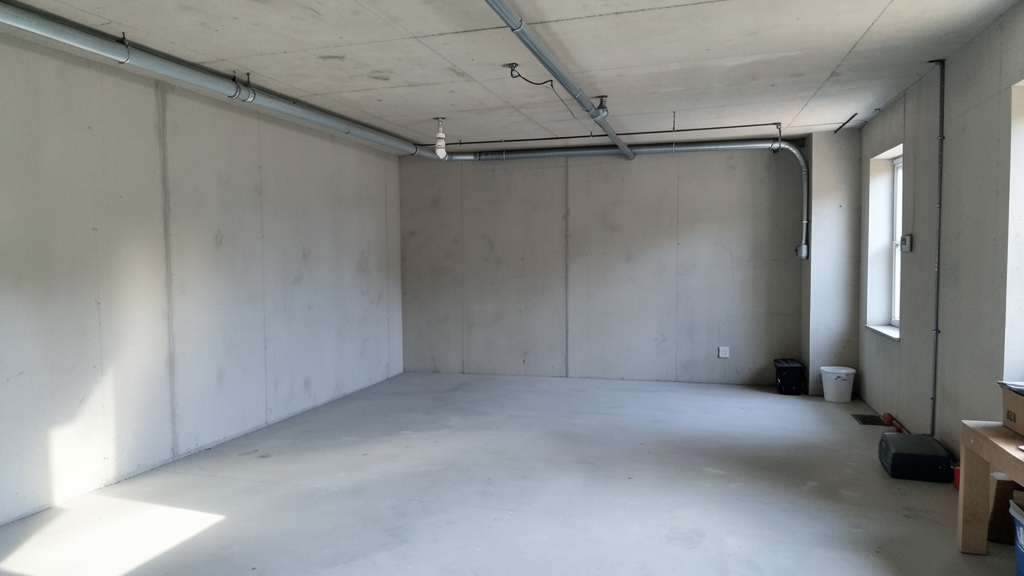
Basements and attics are high-risk zones in our area. Poor ventilation and moisture from coastal humidity or leaking roofs create ideal conditions for mold. Testing here often reveals problems before they spread.
How Spore Trap Sampling Works: The Process
A calibrated air pump draws a measured volume of air through a cassette, trapping spores on a slide. The sample is then sent to a lab for analysis, where technicians identify and count the spores under a microscope.
Results typically include spore counts per cubic meter of air, broken down by genus. This data is compared to outdoor baseline levels to determine if indoor concentrations are elevated.
Spore Trap vs. Other Mold Testing Methods
Spore trap analysis is ideal for assessing airborne contamination, but it doesn’t identify the source. Surface swabs or tape lifts complement it by pinpointing mold on materials like drywall or insulation.
For comprehensive assessments, we often combine methods. Air sampling catches what’s floating, while swabs confirm what’s growing on surfaces in areas like Hingham or Boston properties.
| Method | Best For | Limitations |
|---|---|---|
| Spore Trap (Air Sampling) | Assessing airborne spore levels | Doesn’t locate source; affected by air currents |
| Surface Swab | Identifying mold on materials | Limited to visible or accessible areas |
| Tape Lift | Collecting mold from smooth surfaces | Less effective on porous materials |
| ERMI Dust Test | Historical mold exposure assessment | Not real-time; requires lab PCR analysis |
Interpreting Spore Trap Results: What’s Normal?
There’s no universal ‘safe’ spore count, but indoor levels should generally mirror outdoor baselines. In Quincy, outdoor spore counts vary by season—higher in late summer and early fall due to leaf litter and humidity.
Elevated indoor counts of certain species, like Stachybotrys or Chaetomium, often indicate water damage. We compare indoor vs. outdoor ratios and look for water-indicator molds to diagnose issues.
High counts of water-loving molds (e.g., Ulocladium) or a dominance of a single species indoors strongly suggest an active moisture problem requiring remediation.
From Analysis to Action: Mold Remediation Steps
If spore trap analysis reveals elevated levels, the next step is a thorough mold inspection to locate the source. In Quincy homes, common culprits include leaky pipes in basements, condensation in attics, or poor grading around the foundation.
Remediation begins with moisture control—fixing leaks, improving ventilation, or installing dehumidifiers. Only then do we remove contaminated materials and clean surfaces with HEPA vacuuming and antimicrobial treatments.
Preventing Mold Recurrence After Remediation
Post-remediation, we verify success with follow-up spore trap analysis. But prevention is key. In our coastal climate, maintaining indoor humidity below 50% and addressing water intrusions promptly can stop mold before it starts.
For crawl spaces and basements in Weymouth or Braintree, encapsulation and vapor barriers are effective long-term solutions. Regular air quality testing helps catch new issues early.
Mold Prevention Checklist
- Fix leaks in roofs, pipes, or windows immediately
- Use dehumidifiers in basements and crawl spaces
- Ensure proper ventilation in bathrooms and kitchens
- Inspect attics and crawl spaces annually for moisture
- Clean and dry water-damaged areas within 24-48 hours
How to Prepare for Spore Trap Analysis in Your Home
Proper preparation ensures accurate results and a smooth testing process.
- 1Close Windows and Doors
Keep all windows and exterior doors closed for at least 12 hours before sampling to avoid skewing results with outdoor spores.
- 2Avoid Cleaning
Don’t dust, vacuum, or use air purifiers for 24 hours prior, as this can temporarily reduce airborne spore counts.
- 3Turn Off HVAC Systems
Shut down heating or cooling systems for at least 1 hour before sampling to prevent spores from being distributed unevenly.
- 4Clear Sampling Areas
Remove clutter from areas to be tested, especially near air intakes or suspected mold zones, to allow unobstructed airflow.
- 5Note Problem Areas
Inform the technician about any musty odors, water damage, or health concerns so they can prioritize sampling locations.
Frequently Asked Questions
How accurate is spore trap analysis for detecting mold in Quincy homes?
Spore trap analysis is highly accurate for identifying airborne mold spores and their types. However, it doesn’t locate hidden mold behind walls or under flooring. Combining it with a visual inspection and surface testing provides the most reliable assessment.
Can spore trap analysis tell me if my mold problem is toxic?
Spore trap analysis identifies mold genera, including those known to produce mycotoxins like Stachybotrys. However, it doesn’t measure toxicity directly. If toxic mold is suspected, we recommend lab analysis of samples to confirm species and potential risks.
How often should I test for mold in my Quincy home?
Test after any water damage, before purchasing a home, or if occupants experience unexplained allergies or respiratory issues. For high-risk areas like basements or attics, annual testing is wise, especially in older homes or those near the coast.
Does spore trap analysis work for commercial buildings in Boston or nearby areas?
Yes, spore trap analysis is equally effective for commercial properties. Offices, schools, and retail spaces often have unique challenges like HVAC systems that can spread spores. We tailor sampling plans to the building’s size and usage.
What’s the difference between spore trap analysis and mold culture tests?
Spore trap analysis captures and identifies all spores present in the air, viable or not. Culture tests grow mold from samples to identify live species but may miss non-viable spores. Spore traps provide a broader snapshot of contamination.
Will spore trap analysis disrupt my daily routine?
No, the process is non-invasive. Sampling takes only a few minutes per location, and you can remain in the home during testing. We schedule around your convenience to minimize any disruption.