Moisture Mapping Explained: The Key to Effective Mold Detection in Quincy Homes
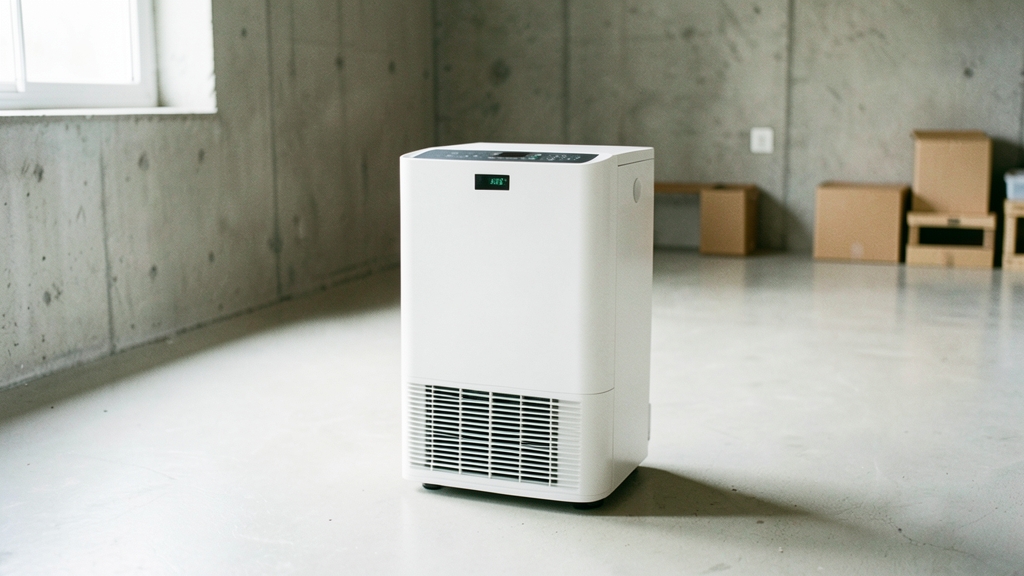
Hidden moisture is the silent instigator behind most mold outbreaks in local homes. Without precise moisture mapping, even the most thorough mold inspection can miss the root cause—leading to recurring issues in basements, attics, and crawl spaces across the South Shore. We use advanced tools to reveal what the naked eye can’t see.
What Is Moisture Mapping and Why It Matters
Moisture mapping is the systematic process of identifying, measuring, and documenting moisture levels in building materials and air. It’s the foundation of effective mold detection, as mold spores thrive in damp environments with relative humidity above 60%.
In our coastal climate, seasonal humidity spikes and poor ventilation in areas like Braintree or Weymouth can create perfect storm conditions for mold. Without mapping, you’re treating symptoms—not the source.
The Science Behind Moisture and Mold Growth
Mold requires three things: spores, a food source (like drywall or wood), and moisture. Remove the moisture, and growth halts. Moisture mapping targets the third leg of this triangle.
Capillary action pulls water into porous materials, while condensation forms on cooler surfaces when warm, humid air meets them. Both scenarios are common in Quincy basements and attics, especially during humid summers and cold, damp winters.
When surface temperature drops below the dew point, condensation occurs—even without visible leaks. This is a major driver of attic and crawl space mold in Milton and Hingham homes.
Tools of the Trade: How Pros Detect Hidden Moisture
Thermal imaging cameras reveal temperature differences that indicate moisture behind walls or under flooring. These tools spot cold spots where condensation collects or insulation is compromised.
Hygrometers and psychrometers measure relative humidity and dew point in the air, while moisture meters assess the water content in materials like drywall, wood, or concrete. Pinless meters scan surfaces; pinned meters take direct readings.
Borescopes allow inspection of wall cavities or ductwork without destructive testing. In commercial spaces or older Boston-area buildings, these tools are invaluable for tracing water intrusion paths.
| Tool | Best For | Limitations |
|---|---|---|
| Thermal Imaging Camera | Hidden moisture behind walls, insulation gaps | Cannot measure exact moisture content; requires interpretation |
| Pinless Moisture Meter | Non-invasive surface scans (drywall, wood) | Less accurate for deep moisture; affected by material density |
| Pinned Moisture Meter | Precise readings in wood, drywall, or subflooring | Leaves small holes; not ideal for finished surfaces |
| Hygrometer | Air humidity and dew point measurement | Does not assess material moisture directly |
| Borescope | Inspecting wall cavities, ductwork, tight spaces | Limited reach; requires access points |
Common Moisture Hotspots in Local Homes
Basements and crawl spaces top the list, especially in older Quincy homes with poor drainage or missing vapor barriers. Water seeps through foundation cracks or rises via capillary action in concrete slabs.
Attics often suffer from improper ventilation, trapping humid air from bathrooms or kitchens. Ice dams in winter can force water under roofing, saturating sheathing and insulation.
Bathrooms, kitchens, and laundry rooms are high-risk due to plumbing leaks or chronic humidity. Even small, slow leaks behind tile or under sinks can fuel mold colonies over time.
A musty smell is often the first sign of hidden mold. By the time you notice it, the problem may already be widespread—especially in poorly ventilated areas like crawl spaces or behind furniture.
Moisture Mapping vs. Traditional Mold Inspections
Traditional mold inspections often rely on visual cues or surface testing, which can miss hidden colonies. Moisture mapping proactively identifies the conditions that *allow* mold to grow, even before spores take hold.
Combining both approaches yields the best results. For example, moisture mapping might reveal a leak behind a Weymouth home’s basement wall, while air quality testing confirms elevated spore counts in the living space above.
How Climate and Seasonality Affect Moisture Levels
The South Shore’s humid summers and wet springs create ideal conditions for mold. High outdoor humidity can infiltrate homes through gaps in the building envelope, especially in older properties.
Winter brings its own challenges. Heating systems dry out indoor air, but cold surfaces (like single-pane windows or uninsulated walls) can still foster condensation. Ice dams on roofs are a major culprit for attic moisture in Milton and Hingham.
Seasonal shifts mean moisture mapping should be a year-round consideration—not just a reaction to visible mold or water damage.
When to Call in the Experts
DIY moisture meters can provide surface-level insights, but professional moisture mapping offers depth and accuracy. If you’ve experienced water damage, notice persistent odors, or see signs of mold, it’s time for a thorough assessment.
For commercial properties or multi-unit buildings in Boston or Quincy, expert mapping is non-negotiable. Hidden moisture in HVAC systems or between floors can spread rapidly, affecting air quality and structural integrity.
Even if you’re buying or selling a home, moisture mapping can uncover hidden issues that standard inspections miss—saving you from costly remediation down the line.
Signs You Need Professional Moisture Mapping
- Unexplained musty odors, especially in basements or attics
- Visible mold growth, even if isolated
- Water stains or discoloration on walls/ceilings
- Peeling paint or warped flooring
- Recent water damage or plumbing leaks
- High humidity levels that don’t improve with ventilation
How to Prepare for a Professional Moisture Mapping Inspection
A little prep ensures our team can access and assess all critical areas efficiently.
- 1Clear Access Points
Move stored items away from walls, especially in basements, attics, and crawl spaces. This allows for thorough scans with thermal imaging and moisture meters.
- 2Note Problem Areas
Make a list of any past water damage, leaks, or areas with odors. Share this with the inspector to prioritize high-risk zones.
- 3Check HVAC Systems
Ensure your heating or cooling system is operational. Inspectors may need to assess ductwork or ventilation as part of the mapping process.
- 4Provide Maintenance History
Share records of plumbing repairs, roof work, or past mold remediation. This context helps identify recurring or unresolved issues.
- 5Plan for Follow-Up
If moisture is detected, discuss remediation and prevention strategies, such as dehumidifiers, vapor barriers, or improved drainage.
Frequently Asked Questions
How long does a moisture mapping inspection take for a typical Quincy home?
Most residential inspections take 2–4 hours, depending on the home’s size and complexity. Larger properties or those with multiple problem areas (e.g., a basement *and* attic) may require additional time. We always provide a detailed report with findings and recommendations.
Can moisture mapping detect mold behind walls?
Yes—indirectly. While moisture mapping itself doesn’t identify mold species, it pinpoints the damp conditions where mold is likely growing. Combined with air quality testing or surface sampling, we can confirm the presence and type of mold without unnecessary demolition.
Is moisture mapping necessary if I already see mold?
Absolutely. Visible mold is often just the tip of the iceberg. Moisture mapping helps us trace the source of the problem—whether it’s a hidden leak, poor ventilation, or high humidity—to ensure we address the root cause and prevent recurrence in areas like Braintree or Milton.
Does moisture mapping work for commercial buildings in Boston?
Yes, and it’s especially critical. Commercial spaces often have complex HVAC systems, large roof expanses, and high-occupancy areas that can harbor hidden moisture. Our team uses industrial-grade tools to map moisture in offices, retail spaces, and multi-unit buildings, ensuring compliance with health and safety standards.
What’s the difference between moisture mapping and mold testing?
Moisture mapping identifies the *conditions* that lead to mold growth, while mold testing (via air or surface samples) confirms the *presence* and type of mold. For thorough detection and remediation, both are often used together. Think of mapping as the diagnostic tool and testing as the confirmation.
How often should I have moisture mapping done in my home?
For most homes, a moisture mapping inspection every 1–2 years is a smart preventive measure, especially in our humid climate. If you’ve had past water damage, live in an older home, or notice signs of excess humidity, more frequent checks may be warranted. Request a quote to discuss your specific needs.