Common Mistakes Quincy Homeowners Make After Mold Remediation
Mold remediation isn’t the finish line—it’s the first step. We’ve seen too many Quincy homeowners undo weeks of work by overlooking critical post-remediation steps. The South Shore’s humid summers and wet winters demand vigilance long after the last spore is removed.
Ignoring the Root Cause: Moisture
Mold always returns if the water source isn’t fixed. In Quincy, common culprits include poor grading around foundations, leaky gutters, or condensation in unfinished basements near the Neponset River.
We trace moisture with thermal imaging and moisture meters, not guesswork. Without addressing the source, remediation is just a temporary bandage.
Skipping moisture control means mold will regrow within weeks. Always pair remediation with water damage restoration if leaks or flooding were involved.
Skipping Post-Remediation Testing
Clear visual signs don’t mean the air is safe. Microscopic spores and mycotoxins can linger, especially in HVAC systems or behind walls in older Quincy homes.
We recommend third-party mold testing and air quality testing 24–48 hours after remediation. Independent labs provide unbiased results you—and your family—can trust.
Reinstalling Materials Too Soon
Drywall, insulation, and carpeting must be fully dry before replacement. In Quincy’s coastal climate, trapped moisture in these materials creates a perfect petri dish for regrowth.
We use industrial dehumidifiers and air movers to ensure structural components reach safe moisture levels (typically below 15% for wood, 1% for drywall).
Neglecting HVAC and Ductwork
Mold spores travel through ductwork, spreading contamination to every room. Many Quincy homeowners forget to clean or replace HVAC filters and ducts post-remediation.
We use HEPA vacuums and air scrubbers to purge spores from vents. For severe cases, duct encapsulation or replacement may be necessary, especially in older homes in Wollaston or Adams Shore.
DIY Cleanup with Household Products
Bleach and vinegar kill surface mold but don’t address spores or porous materials. Worse, improper cleaning can aerosolize spores, worsening contamination.
Professional remediation uses EPA-approved fungicides and containment barriers. For small, isolated patches, we still recommend a mold inspection to rule out hidden growth.
Any mold covering more than 10 square feet—or in HVAC systems—requires professional remediation. Safety and thoroughness matter more than cost.
Overlooking Hidden Areas: Attics, Crawl Spaces, and Basements
Quincy’s older homes often have unfinished basements or vented crawl spaces prone to high humidity. Attics with poor ventilation trap moisture from daily activities, leading to hidden mold colonies.
We prioritize these areas during inspections, using borescopes and moisture sensors to detect issues behind walls or under flooring. Encapsulation and vapor barriers are often effective long-term solutions.
Failing to Monitor Humidity Long-Term
Mold thrives above 60% relative humidity. Without consistent monitoring, Quincy homeowners won’t notice rising levels until it’s too late.
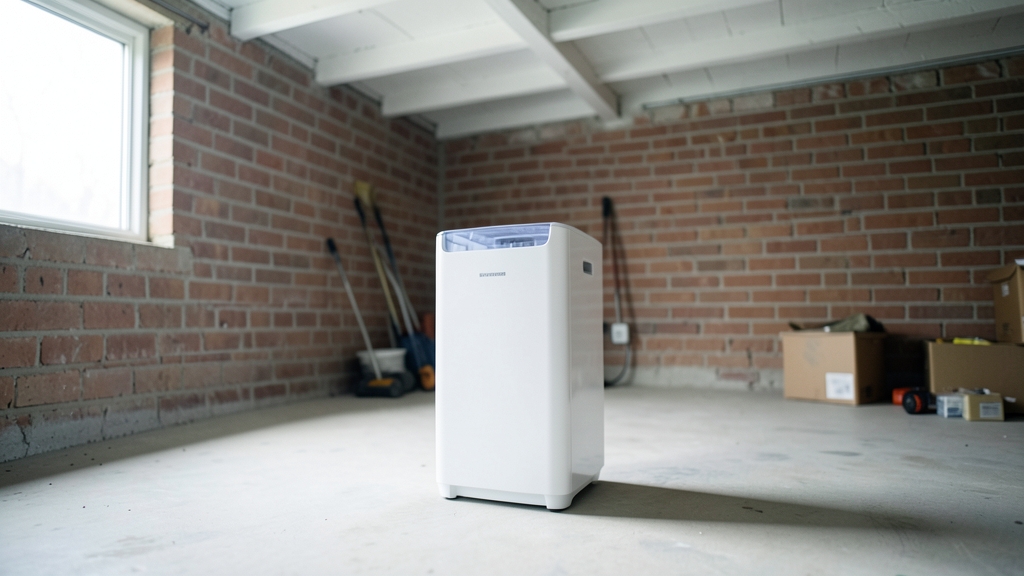
We install data-logging hygrometers in problem areas and recommend whole-house dehumidifiers for basements and crawl spaces. Regular checks—especially after heavy rain or snowmelt—are critical.
Humidity Control Essentials
- Use a dehumidifier in basements and crawl spaces (target: 30-50% RH)
- Ventilate bathrooms and kitchens with exhaust fans
- Insulate cold surfaces (e.g., pipes, exterior walls) to prevent condensation
- Check gutters and downspouts for proper drainage away from the foundation
- Seal cracks in foundation walls and around windows
Comparing DIY vs. Professional Remediation
While DIY mold cleanup might seem cost-effective, it often misses hidden contamination and fails to address the root cause. Professional remediation includes containment, HEPA filtration, and post-clearance testing.
For homeowners in Quincy, Braintree, or Weymouth, the long-term costs of recurring mold—health risks, property damage, and repeated treatments—far outweigh the upfront investment in expert services.
| Factor | DIY Approach | Professional Remediation |
|---|---|---|
| Safety | Risk of exposure to spores/mycotoxins | Full PPE, containment, HEPA filtration |
| Thoroughness | Surface-level cleaning only | Deep cleaning, porous material removal, HVAC treatment |
| Moisture Control | Often overlooked | Identifies and fixes root cause |
| Testing | None or unreliable | Third-party air quality and surface testing |
| Long-Term Prevention | Unlikely without expertise | Customized moisture control plans |
How to Prevent Mold Regrowth After Remediation
Stopping mold from returning requires consistent effort, especially in Quincy’s humid climate.
- 1Fix Water Intrusion Points
Inspect roofs, gutters, downspouts, and foundation cracks. Redirect water at least 5 feet away from your home’s base. Consider a sump pump for basements prone to flooding.
- 2Improve Ventilation
Install exhaust fans in bathrooms and kitchens. Use soffit and ridge vents in attics. For crawl spaces, consider a sealed system with a dehumidifier.
- 3Control Indoor Humidity
Maintain humidity between 30-50% with dehumidifiers. Use air conditioners in summer and monitor levels with a hygrometer.
- 4Clean and Inspect Regularly
Vacuum with a HEPA filter to remove spores. Check under sinks, behind appliances, and in basements/attics monthly for early signs of mold or moisture.
- 5Use Mold-Resistant Materials
Opt for paperless drywall, mold-resistant paint, and moisture-resistant insulation in high-risk areas like basements and bathrooms.
Frequently Asked Questions
How soon can I move back in after mold remediation in Quincy?
Most homes are safe to reoccupy within 24–48 hours after remediation, but only after post-clearance testing confirms normal spore levels. We recommend waiting for lab results before returning, especially for sensitive individuals.
Can mold come back after professional remediation?
Even if moisture issues persist, remediation won’t prevent regrowth without addressing leaks, humidity, or poor ventilation.
Is mold in my Quincy basement dangerous if it’s not black mold?
All mold can pose health risks, depending on the type and your sensitivity. Common basement molds like Aspergillus or Penicillium can trigger allergies or respiratory issues. Never assume mold is harmless—always test and remediate.
Do I need to replace furniture after mold remediation?
Porous items like upholstered furniture, mattresses, or carpeting often harbor spores and must be discarded if contaminated. Non-porous items can usually be cleaned with HEPA vacuuming and damp wiping. We’ll guide you during the process.
How does Quincy’s climate affect mold growth?
Our coastal location brings high humidity, frequent rain, and temperature swings—ideal conditions for mold. Older homes in areas like Montclair or Germantown often have poor ventilation, exacerbating the problem. Proactive moisture control is non-negotiable here.
What’s the difference between mold removal and mold remediation?
Mold removal is a misnomer—it’s impossible to eliminate all spores. Remediation focuses on reducing spores to safe levels, cleaning contaminated surfaces, and preventing regrowth. It’s a comprehensive process, not just wiping down walls.