Why Antimicrobial Treatments Are Critical in Mold Remediation in Quincy
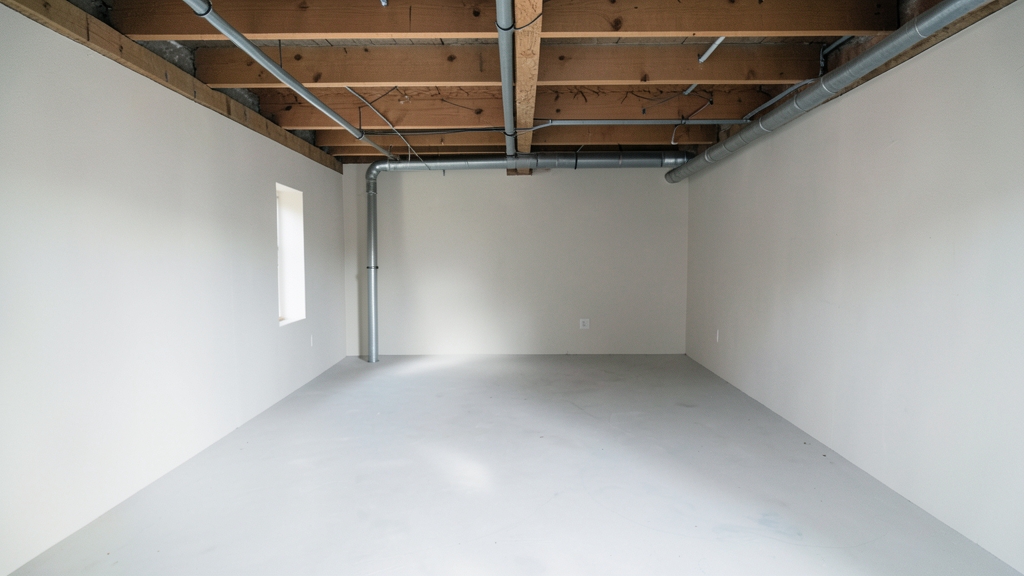
Mold doesn’t just disappear after removal—without the right follow-up, it returns. Antimicrobial treatments are the unsung heroes of professional mold remediation, ensuring spores can’t regrow in Quincy’s damp, coastal climate. We rely on them to protect homes in Braintree, Milton, and beyond from recurring infestations.
What Antimicrobial Treatments Actually Do
Antimicrobials don’t just kill existing mold—they disrupt its DNA to prevent regrowth on treated surfaces. This is critical in Quincy, where lingering humidity in basements and crawl spaces can reignite infestations overnight.
Unlike bleach, which only bleaches surface mold, EPA-registered antimicrobials penetrate porous materials like drywall and wood. They’re a non-negotiable step after physical removal.
Mold Removal vs. Mold Remediation: The Critical Difference
Removal clears visible mold; remediation stops it from coming back. In Quincy’s older homes, where hidden moisture in Weymouth or Hingham-style foundations is common, remediation without antimicrobials is incomplete.
| Aspect | Mold Removal | Mold Remediation |
|---|---|---|
| Scope | Surface-level cleaning | Structural drying, containment, antimicrobial application |
| Long-term effect | Temporary fix | Prevents regrowth with biocides |
| Moisture address | Often ignored | Root cause resolved |
| Safety | Risk of cross-contamination | HEPA filtration, PPE, containment barriers |
Why Quincy’s Climate Demands Extra Protection
Our coastal humidity and seasonal storms create perfect conditions for mold to thrive. Antimicrobial treatments act as a shield, especially in basements and attics where air circulation is poor.
Neighboring areas like Braintree and Milton face the same risks. Without post-remediation antimicrobials, even a small moisture spike can undo weeks of work.
Antimicrobials won’t work on wet surfaces. Full structural drying must precede application, or the treatment fails. This is a common oversight in DIY attempts.
Types of Antimicrobials We Use
EPA-registered biocides are our go-to for non-porous surfaces like tile and glass. For wood or drywall, we use encapsulants that seal surfaces after mold removal.
In commercial spaces near Boston, we often combine antimicrobials with HEPA air scrubbing to address airborne spores in HVAC systems.
Where Antimicrobials Are Non-Negotiable
Crawl spaces and basements in Quincy absorb moisture like a sponge. Antimicrobials here aren’t optional—they’re the only way to ensure long-term protection.
Attics with poor ventilation, common in older Milton or Weymouth homes, also require treatment. Mold spores settle in insulation and wood framing, waiting for the next humidity spike.
Areas That Always Need Antimicrobial Treatment
- Basements with prior water damage
- Crawl spaces with high humidity
- Attics with poor ventilation
- Bathrooms with recurring mold
- HVAC systems in commercial buildings
The Science Behind Mold Regrowth Prevention
Mold spores are microscopic and resilient. Antimicrobials disrupt their cellular structure, making it impossible for them to reproduce. This isn’t just cleaning—it’s biological warfare.
In lab tests, untreated surfaces show mold regrowth within 24-48 hours in high-humidity environments. Treated surfaces remain clear for years if moisture is controlled.
Common Mistakes Homeowners Make
Using bleach is the most frequent error. It doesn’t penetrate surfaces and can worsen porous material damage. In Quincy’s damp basements, this often leads to mold returning within weeks.
Skipping containment during removal spreads spores to unaffected areas. We use plastic sheeting and negative air pressure to prevent this—antimicrobials alone can’t fix cross-contamination.
Always pair remediation with air quality testing. Post-treatment tests confirm antimicrobials worked and spores are at safe levels. This is standard for our commercial clients in Boston.
When to Call a Professional
If mold covers more than 10 square feet, or if it’s in your HVAC system, DIY solutions won’t cut it. Quincy’s older homes often have hidden mold in wall cavities or under flooring—only professionals can address this safely.
Water damage restoration often overlaps with mold remediation. In cases of flooding or leaks in Braintree or Weymouth, we handle both to prevent future mold issues.
How to Maintain a Mold-Free Home After Remediation
Antimicrobials buy you time, but long-term mold prevention depends on controlling moisture.
- 1Monitor Humidity
Keep indoor humidity below 50% with dehumidifiers, especially in basements and crawl spaces. Quincy’s coastal air demands vigilance.
- 2Fix Leaks Immediately
Even small leaks in roofs or pipes can restart mold growth. Address water intrusion within 24-48 hours to prevent spores from taking hold.
- 3Improve Ventilation
Use exhaust fans in bathrooms and kitchens. In attics, ensure soffit and ridge vents are unblocked to allow airflow.
- 4Inspect Regularly
Check common problem areas like under sinks, around windows, and in basements. Early detection prevents costly remediation later.
- 5Use Mold-Resistant Products
For renovations, opt for mold-resistant drywall, paint, and insulation. These are especially valuable in high-risk areas like Milton or Hingham.
- 6Schedule Annual Air Quality Tests
Professional testing catches hidden mold before it becomes a visible problem. This is a smart investment for Quincy homeowners in older properties.
Frequently Asked Questions
Are antimicrobial treatments safe for homes with pets or children in Quincy?
Yes, when applied by professionals. We use EPA-registered products that are safe once dried, and we always follow label instructions for occupancy re-entry times. Proper ventilation during application ensures safety for families and pets.
How long does antimicrobial treatment take to work?
Antimicrobials begin killing mold spores on contact, but full effectiveness depends on proper application and drying time. In Quincy’s humid climate, we often recommend 24-48 hours of drying post-treatment for maximum efficacy.
Can I apply antimicrobial treatments myself?
We don’t recommend it. DIY applications often miss hidden mold or fail to address the root moisture issue. Professionals use commercial-grade products, protective gear, and containment to ensure safety and thoroughness.
Do antimicrobial treatments work on all types of mold?
Most EPA-registered antimicrobials are effective against common household molds like Aspergillus and Penicillium. However, some resistant strains may require specialized products. This is why professional testing and treatment are critical.
What’s the difference between antimicrobial and mold-resistant paint?
Mold-resistant paint contains antimicrobial additives to prevent surface growth, but it doesn’t kill existing mold or address spores in the air or behind walls. Antimicrobial treatments, applied during remediation, target the root of the problem.
How often should I have my Quincy home tested for mold after remediation?
For peace of mind, we recommend annual air quality testing, especially if your home has a history of mold or water damage. In high-risk areas like basements or after major storms, more frequent testing may be wise.